The IRS Fresh Start Program is a legitimate initiative that helps taxpayers resolve federal tax debts through installment agreements, Offer in Compromise (OIC), lien withdrawals, and penalty relief.
The program is not automatic tax forgiveness. Eligibility depends on your current filing compliance, your income and expenses, and the equity you hold in assets. Each relief option has its own rules and documentation requirements.
Streamlined Installment Agreements allow taxpayers with debts up to $50,000 to pay over six years with minimal documentation, avoiding liens and aggressive collection actions.
Offer in Compromise (OIC) lets eligible taxpayers settle debts for less than the full amount if repayment causes financial hardship, though documentation and processing can be extensive.
Penalty Abatement and Reasonable Cause Relief provide relief for first-time filers, hardships, or unemployment, reducing penalties while maintaining compliance.
Special Programs like lien withdrawal, Currently Not Collectible (CNC) status, and extended installment agreements offer tailored solutions for protecting assets and managing large debts.
Taxpayers can access Fresh Start benefits directly through the IRS, but working with a licensed tax professional can simplify applications, ensure compliance, and maximize available relief.
The IRS Fresh Start Program is a series of initiatives and policy changes launched in 2011 and expanded since, designed to assist individuals and businesses in resolving their federal tax liabilities. This collection of provisions makes it easier for taxpayers to manage and settle their tax debt, offering various options to pay off what they owe, avoid penalties, and maintain compliance with IRS requirements. Here’s an overview of the IRS Fresh Start Program.
The History of the Fresh Start Program
The Fresh Start Initiative was established in 2011 to give first-time tax offenders leniency and the opportunity to solve their tax issues through consolidated tax bills and payment arrangements. Shortly after launching the program, the IRS made it easier to remove federal tax liens and allowed taxpayers to come to more favorable payment arrangements. Importantly, the IRS also introduced limited documentation requirements for certain relief programs, meaning that taxpayers could sometimes qualify without submitting exhaustive income, asset, and expense records—just a streamlined set of financial details. One year later, the IRS expanded access to the Offer in Compromise (OIC) program.
The Fresh Start Initiative can help stave off IRS collection activities that include:
Bank Levy: The IRS can seize funds from your bank accounts.
Wage Garnishment: A portion of your wages can be deducted and sent directly to the IRS.
Seizure of Assets: The IRS may seize personal property, such as a car or home, to satisfy the tax debt.
Filing Lawsuits: Taking legal action to recover the owed amount through court proceedings.
Seizing Tax Refunds: Offsetting unpaid taxes with federal or state tax refunds owed to the taxpayer.
Federal Tax Lien: Filing a legal claim against the taxpayer’s property to secure the debt, making it difficult to sell or refinance assets.
All this said, many taxpayers ask, “How much does the IRS Fresh Start Program cost?” It’s important to understand that the IRS Fresh Start Program itself does not have a specific cost, as it is not a single program but rather a collection of tax relief options offered directly by the IRS. However, there may be fees associated with the specific components of the program, as well as potential costs if you hire a tax professional to assist with the application process.
Before You Apply: Compliance Checklist
Before applying for any IRS Fresh Start relief option, make sure you meet the IRS’s basic compliance requirements. Completing these steps ahead of time can help prevent delays or denials.
File all required federal tax returns for the past 6 years
Make all required estimated tax payments if you are self-employed or have untaxed income
Ensure current-year tax withholding or estimated payments are up to date
Have your bank account and routing numbers ready if applying for a Direct Debit Installment Agreement (DDIA)
Resolve any open bankruptcy proceedings before applying, as active bankruptcy cases may disqualify you
Be prepared for applicable IRS setup fees, application fees, or deposits, although some low-income taxpayers may qualify for fee waivers or reduced costs
Staying current with filing and payment requirements is one of the most important factors in qualifying for IRS Fresh Start relief programs.
Eligibility Requirements for the IRS Fresh Start Initiative
To qualify, taxpayers must meet specific eligibility requirements depending on the program they apply for, such as installment agreements, Offer in Compromise (OIC), penalty abatement, or lien withdrawal. There’s no single “Fresh Start application,” but individuals apply separately for each relief option. Taxpayers must be current on all federal tax filings to qualify for Fresh Start provisions.
It’s also important to understand that the IRS Fresh Start Program is not automatic tax forgiveness. Eligibility depends on your current filing compliance, your income and expenses, and the equity you hold in assets. Each relief option — installment agreements, OIC, penalty relief, and lien withdrawal — has its own rules and documentation requirements. Taxpayers with significant asset equity may find that certain options, such as an Offer in Compromise, are harder to qualify for, even if income is limited.
Below are detailed eligibility criteria for the initiative’s primary components.
As of March 2025, the IRS replaced Streamlined Installment Agreements with Simple Payment Plans (also called Simple Installment Agreements) for individual taxpayers. Businesses continue to use Streamlined Installment Agreements with specific rules.
Debt limit: $50,000 or less (including penalties and interest assessed at the time of filing)
Term: Up to 120 months (10 years), or until the IRS Collection Statute Expiration Date (CSED), whichever comes first
Process:
File all tax returns.
Apply online via IRS Online Payment Agreement tool, by phone, or submit Form 9465
No financial disclosure (Form 433-F/A/B) required for amounts under $50,000
Direct debit required for balances between $25,000 and $50,000
Pros: Avoid liens, small monthly payments, longer repayments.
Cons: Interest and penalties continue; missing payments may re-trigger collection
Debt condition: Pay less than full debt if full repayment causes financial hardship.
Eligibility criteria:
Filed all required tax returns.
Owe at least one assessed tax debt.
Demonstrate limited income/assets relative to debt.
The IRS evaluates your ability to pay using income, allowable expenses, and asset equity — including cash, real estate, vehicles, and investments. High equity in assets can reduce eligibility for OIC relief, even if your monthly income appears limited.
IRS may consider certain obligations, such as government-backed student loans and delinquent state or local taxes, in the calculation of your ability to pay.
Application process:
Provide financial disclosures via Form 433-A (OIC).
Submit Form 656, including a non-refundable application fee and deposit.
IRS calculates the Reasonable Collection Potential (RCP), factoring in allowable expenses and certain government-backed obligations like student loans or state/local delinquent taxes.
Advantages: Potential settlements of tax debt.
Drawbacks: Extensive documentation, long processing times (several months), and all future taxes must remain current.
The IRS may file a federal tax lien when unpaid tax debt remains unresolved, especially if no payment arrangement has been established. One of the best ways to reduce the risk of a lien filing is to set up an approved installment agreement before the IRS begins enforced collection activity.
Debt cap: $25,000 or less.
Conditions:
Enter a Direct Debit Installment Agreement.
Make three consecutive, timely payments.
Up to date on tax filings
No active bankruptcy proceedings
Submit Form 12277
Benefit: Removes liens, protects credit, and improves asset liquidity.
Lien Threshold Changes:
The IRS increased the lien withdrawal threshold from $5,000 to $10,000, making it easier for smaller debts to qualify.
For debts up to $25,000, taxpayers can now have liens withdrawn after making just three consecutive direct-debit payments, streamlining the process and reducing financial burden.
Example Timeline:
Taxpayer owes $22,000 and enrolls in a DDIA
Taxpayer makes 3 consecutive monthly direct-debit payments
Taxpayer submits Form 12277 requesting lien withdrawal
IRS reviews the request and may approve withdrawal if all eligibility conditions are satisfied
Navigating IRS lien rules and withdrawal requirements can be confusing, especially when dealing with active collection efforts. Optima Tax Relief’s experienced tax professionals can help review your eligibility, assist with installment agreement setup, and guide you through the lien withdrawal request process when appropriate. You can download Form 12277 directly from the IRS website before submitting your written request.
Purpose: Temporarily halt collection if payments would prevent meeting basic living needs.
Requirements:
Demonstrate income far below expenses.
File Form 433-A/B, showing hardship
Outcome: Collection stops, but penalties and interest continue to accrue.
Fresh Start and Extended Installment Agreements
Extended installment agreements offer taxpayers a manageable solution for resolving significant tax debts. Here are some key features and considerations for these arrangements.
Eligibility Requirements
To qualify, taxpayers generally need to meet these conditions:
Owe more than $50,000 or be unable to pay the debt within the standard 72-month repayment period.
Have filed all required tax returns and remain compliant with current tax obligations.
Extended Payment Period
The IRS may extend repayment terms beyond the usual 72 months, depending on your financial circumstances. Monthly payment amounts are determined by evaluating your income, expenses, and assets to ensure they align with your ability to pay.
Financial Disclosure
Taxpayers must complete Form 433-A (Collection Information Statement for individuals) or Form 433-B (for businesses). The IRS uses this financial snapshot to calculate a feasible monthly payment and assess your eligibility for extended terms.
Securing the Debt
For significant balances or extended repayment periods, the IRS may file a Notice of Federal Tax Lien to protect its interest in your assets. This tax lien could affect your ability to obtain credit but ensures the IRS’s claim is prioritized.
Costs and Fees
Setting up an installment agreement incurs a fee, though low-income taxpayers may qualify for reduced rates. Keep in mind that interest and late payment penalties continue to accrue until the full balance is paid.
Automatic Payment Options
Direct Debit Installment Agreements (DDIA) allow payments to be automatically deducted, reducing the risk of default and ensuring compliance. This option often simplifies the process for both parties.
Default Risk
Failure to make payments or stay current with other tax obligations can lead to the termination of the agreement. If default occurs, the IRS may resume aggressive collection actions, including wage garnishments or bank levies.
Duration and Review
Installment agreements are subject to periodic review. The IRS may request updated financial information to reassess your ability to pay, ensuring the agreement remains fair and sustainable. These extended installment plans provide a pathway for taxpayers to regain financial stability while addressing their tax liabilities.
How the CSED Affects Your Monthly Payment
The Collection Statute Expiration Date (CSED) is the deadline for how long the IRS can legally collect a tax debt. In most cases, the IRS has 10 years from the date the tax is assessed to collect the balance. The amount of time remaining before the CSED expires can directly affect your installment agreement options and monthly payment amount.
If your CSED is still several years away, the IRS may allow lower monthly payments spread over a longer period
If your CSED is approaching soon, the IRS may require larger monthly payments to fully satisfy the balance before the collection period expires
Simple installment agreements are typically based on paying the balance within the remaining collection period, while financial-based agreements may require detailed income and expense disclosures
Certain actions, such as bankruptcy filings or Offer in Compromise applications, can temporarily pause or extend the CSED timeline
Example: If a taxpayer owes $24,000 and has 8 years remaining before the CSED, the payment could be spread out to around $250 per month. However, if only 2 years remain before the CSED, the IRS may require payments closer to $1,000 per month to resolve the balance before the deadline expires.
Understanding your CSED can make a major difference when choosing the right IRS payment strategy. If your collection period may be nearing expiration, Optima Tax Relief’s experienced tax professionals can review your timeline, explain your options, and help determine the most manageable resolution path for your situation.
Is the IRS Fresh Start Program Legitimate?
The IRS Fresh Start Program is a legitimate initiative introduced by the IRS to help individuals and businesses struggling with tax debt. Launched in 2011 and expanded over the years, the program provides a variety of options designed to make it easier for taxpayers to pay off their debts, avoid penalties, and stay compliant with their tax obligations. The program aims to prevent financial hardship while ensuring the IRS can still collect what is owed.
Why Some Doubt Its Legitimacy
The legitimacy of the IRS Fresh Start Program is sometimes questioned due to misinformation and misleading marketing from third-party tax relief companies. These companies often exaggerate the benefits or misrepresent the qualifications for the program to sell their services. It’s important to note that the Fresh Start Program is an official IRS initiative, and taxpayers can access its benefits directly through the IRS with or without paying a third party.
Avoiding Tax Relief Scams
If you are researching tax relief services, it is important to recognize the warning signs of potential scams before sharing financial information or paying large upfront fees.
Be cautious of companies that:
Guarantee they can settle your tax debt for “pennies on the dollar” before reviewing your financial situation
Promise immediate tax debt forgiveness or claim everyone qualifies for an Offer in Compromise
Pressure you into signing contracts or making payments during the first call
Refuse to explain fees clearly or require large upfront payments without outlining services
Use misleading names that sound affiliated with the IRS or federal government
Avoid discussing your filing compliance, income, assets, or collection status
Cannot verify whether your case will be handled by a licensed CPA, Enrolled Agent (EA), or tax attorney
Optima Tax Relief works with licensed tax professionals and follows established consumer protection standards designed to help taxpayers understand their options before committing to representation. You can also review IRS guidance on tax relief scams and abusive tax schemes directly through IRS.gov.
How to Apply
File all back returns immediately.
Determine the best relief option for your situation.
Gather documentation: income proofs, bank accounts, living expenses.
Submit directly via IRS or enlist help from a licensed tax pro.
Monitor payments and file future taxes on time.
Request reviews (especially for CNC status) if your situation changes.
Frequently Asked Questions About the Fresh Start Program
Who qualifies for the IRS Fresh Start Program?
Generally, taxpayers who are current on all their federal tax filings and meet specific eligibility requirements for the program’s various relief options can qualify.
How does the IRS Fresh Start Program work?
It offers lien withdrawals, especially for taxpayers with debts under $25,000 who enter into a direct debit installment agreement and make three consecutive payments, along with payment plans, settlement options, and penalty relief to help taxpayers resolve tax debt more affordably. Each relief type has its own requirements and application process.
Is there a fee to apply for the Fresh Start Program?
There’s no fee for the program itself, but some relief options include IRS application fees (e.g., OIC is $205) and potential fees for hiring a tax professional. Low-income taxpayers may qualify for waived fees.
Will the IRS stop collections during Fresh Start?
Yes, if you’re approved for an OIC, installment agreement, or hardship status (Currently Not Collectible), most collection actions (like wage garnishments or bank levies) pause or stop.
Can small businesses apply for Fresh Start relief?
Yes. Small businesses that owe back taxes and are current with filings may qualify for installment plans, penalty relief, or OIC. Payroll tax debt may require separate compliance steps.
What happens if I miss a payment?
Missing a payment can lead to default, causing penalties, reinstated collection actions, or canceled agreements. Direct debit is recommended to avoid missed payments.
Will the IRS file a lien if I set up a payment plan under Fresh Start?
If you establish a qualifying Direct Debit Installment Agreement before the IRS files a lien and keep it in good standing, the IRS generally will not file a new lien. If a lien has already been filed, you may request withdrawal once your total balance is under $25,000 and you’ve made three consecutive DDIA payments by submitting Form 12277.
How does the Collection Statute Expiration Date (CSED) impact my installment agreement?
The IRS has 10 years from the date of tax assessment to collect a debt. Your installment plan must fully pay each tax period before its CSED. If a tax year is close to expiring, the monthly payment required under a simple plan may increase significantly to satisfy the statute. A financial-based plan may be a better fit in those cases.
Is the Fresh Start installment agreement based on my ability to pay?
Simple Payment Plans up to $50,000 are not based on a full financial ability-to-pay analysis, which is why higher-income taxpayers or those with asset equity can often qualify without submitting Form 433. Financial-based agreements are used when balances exceed program thresholds or when simple payment terms are not workable.
Tax Help for Those Who Owe
The Fresh Start program can really help taxpayers who owe the IRS but don’t necessarily have the funds to pay their debt. Working with an experienced tax relief company can help ease the process. If you are wondering if you are eligible for the Fresh Start program, we can help. Optima Tax Relief is the nation’s leading tax resolution firm with over $3 billion in resolved tax liabilities.
The secure 2.0 act introduced major retirement tax changes designed to expand retirement savings opportunities, delay taxable withdrawals, and improve access to workplace retirement plans.
Required minimum distributions (RMDs) now begin at age 73, increasing to age 75 in 2033 for many taxpayers, while penalties for missed RMDs were reduced from 50% to as low as 10% in some cases.
Beginning in 2024, Roth 401(k) and Roth 403(b) accounts are no longer subject to lifetime RMDs, allowing retirement funds to continue growing tax free longer.
Workers ages 60 to 63 can qualify for higher “super” catch-up contribution limits, while certain high-income earners must make catch-up contributions on a Roth basis starting in 2026.
The secure 2.0 act expanded retirement flexibility by allowing eligible 529 plan rollovers into Roth IRAs, increasing retirement plan access for part-time workers, and adding new penalty-free early withdrawal exceptions.
Taxpayers should review retirement contribution, withdrawal, and Roth conversion strategies regularly because the secure 2.0 act creates both new tax-saving opportunities and additional planning complexities.
Retirement planning rules have changed significantly in recent years, and one of the biggest updates is the SECURE 2.0 Act. Signed into law in late 2022 as part of the Consolidated Appropriations Act, the legislation introduced dozens of retirement-related provisions designed to help Americans save more, delay taxable withdrawals, and expand access to workplace retirement plans.
For taxpayers, retirees, and employers alike, the SECURE 2.0 Act creates important tax planning opportunities. From higher required minimum distribution (RMD) ages to expanded catch-up contributions and new Roth account rules, the law affects how millions of Americans save and withdraw retirement money.
Understanding the SECURE 2.0 Act can help you make smarter decisions about retirement savings, taxable income, and long-term financial planning. Below is a detailed breakdown of the most important changes and how they may impact your taxes.
What Is the SECURE 2.0 Act?
The secure 2.0 act was created to strengthen retirement savings opportunities and modernize retirement plan rules. Lawmakers designed the legislation to encourage more Americans to participate in retirement plans while giving retirees additional flexibility with withdrawals and tax planning.
Overview of the SECURE 2.0 Retirement Law
The secure 2.0 act contains more than 90 retirement-related provisions affecting everything from contribution limits to employer-sponsored retirement plans. Many of the changes focus on expanding access to retirement savings and helping Americans prepare financially for retirement.
The law impacts a broad group of taxpayers, including employees participating in workplace retirement plans, retirees taking distributions from retirement accounts, small business owners offering retirement benefits, and families using 529 education savings plans. Certain provisions also help part-time workers and individuals with disabilities gain better access to tax-advantaged savings opportunities.
One of the major goals of the secure 2.0 act is to simplify retirement planning while encouraging long-term savings habits. The legislation also attempts to address concerns that many Americans are not financially prepared for retirement.
When the SECURE 2.0 Changes Take Effect
Not all provisions under the secure 2.0 act became effective immediately. Some changes started in 2023, while others phase in over several years. Because of this staggered rollout, taxpayers may continue seeing retirement plan updates through the next decade.
For example, the increase in the required minimum distribution age became effective in 2023, while the elimination of Roth 401(k) required minimum distributions started in 2024. Enhanced ‘super’ catch-up contribution limits for workers ages 60 to 63 took effect in 2025.
For 2025 and 2026, the enhanced catch-up limit for workers ages 60 to 63 is $11,250, compared to the standard catch-up limit of $7,500 in 2025 and $8,000 in 2026 for workers age 50 and older.
Taxpayers should review retirement plans regularly to stay current with these changing rules and determine how new provisions may affect retirement tax planning strategies.
Key SECURE 2.0 Act Changes to Retirement Taxes
The secure 2.0 act introduced several major retirement tax changes that affect how Americans save, withdraw, and inherit retirement funds. Many of these provisions create new opportunities for tax planning.
Higher Age for Required Minimum Distributions (RMDs)
One of the most significant updates under the secure 2.0 act is the increase in the age for required minimum distributions, commonly called RMDs.
RMDs are mandatory withdrawals that retirees must take from certain tax-deferred retirement accounts such as traditional IRAs and 401(k) plans. Before the new law, many taxpayers had to begin taking RMDs at age 72. Under the SECURE 2.0 Act, the starting age increased to 73 beginning in 2023. It is scheduled to increase again to 75 beginning in 2033 for anyone born in 1960 or later.
This change gives retirement savings more time to grow tax deferred. It may also help retirees better manage taxable income during the early years of retirement. For example, someone retiring at age 65 may now have additional years before mandatory withdrawals begin, creating more flexibility for Roth conversions or other retirement tax planning strategies.
Reduced Penalties for Missing an RMD
The secure 2.0 act also reduced penalties for failing to take a required minimum distribution. Previously, the IRS imposed a harsh 50% excise tax on the amount not withdrawn on time.
Under the updated law, the penalty generally drops to 25%. In some cases, the penalty may be reduced further to 10% if the error is corrected promptly.
This provision provides relief for retirees who accidentally miss an RMD deadline. For example, if a retiree failed to withdraw a $10,000 RMD under prior law, the penalty could have reached $5,000. Under the secure 2.0 act, the penalty may now be substantially lower if corrected properly.
Although the reduced penalty is helpful, retirees should still monitor deadlines carefully because missed distributions can still create costly tax consequences.
Roth 401(k) Accounts No Longer Require RMDs
Another major retirement tax change under the secure 2.0 act involves Roth workplace retirement plans. Beginning in 2024, Roth 401(k) and Roth 403(b) accounts are no longer subject to lifetime required minimum distributions.
Previously, Roth workplace plans were treated differently than Roth IRAs, which already avoided lifetime RMDs. The new rule creates consistency between account types and allows retirement assets to continue growing tax free for a longer period.
This change may especially benefit retirees who do not need immediate retirement income. Instead of withdrawing funds simply to satisfy IRS rules, retirees can allow Roth balances to remain invested or use them strategically later in retirement.
The elimination of Roth 401(k) RMDs may also improve estate planning opportunities because heirs could potentially inherit larger tax-free retirement balances.
Bigger Catch-Up Contributions for Older Workers
The secure 2.0 act increases catch-up contribution opportunities for older workers who want to boost retirement savings later in their careers.
Catch-up contributions allow individuals age 50 and older to contribute more than the standard annual retirement plan limits. Under the new law, workers between ages 60 and 63 may qualify for even higher catch-up contribution limits.
This provision can be especially valuable for individuals who started saving later in life or who experienced career interruptions that affected retirement savings progress. Higher contribution limits may also provide additional tax benefits because traditional retirement plan contributions can reduce taxable income.
For example, a worker nearing retirement may use enhanced catch-up contributions to accelerate savings while lowering current-year taxable income.
Roth Catch-Up Contribution Rules
While the SECURE 2.0 Act expanded catch-up contribution opportunities, it also introduced new Roth contribution requirements for certain higher-income earners, effective January 1, 2026. Employees age 50 or older whose FICA wages from their employer exceeded $150,000 in the prior year must make catch-up contributions on a Roth (after-tax) basis rather than pre-tax. (Note: The $150,000 threshold applies for 2026 and is indexed for inflation annually — the original statutory figure was $145,000.) Although this means losing the immediate tax deduction, qualified Roth withdrawals in retirement may be tax-free. This provision also creates administrative responsibilities for employers, and plans that do not currently offer Roth contributions must add that option or affected high earners will lose the ability to make catch-up contributions altogether. The IRS has indicated it will apply a good-faith compliance standard throughout 2026, with full enforcement of the final regulations beginning in 2027.
Automatic Enrollment in New 401(k) and 403(b) Plans
The SECURE 2.0 Act requires newly established workplace retirement plans to include automatic enrollment features, a mandate that took effect January 1, 2025. Specifically, 401(k) and 403(b) plans established after December 29, 2022, must automatically enroll eligible employees. Exceptions apply for small businesses with 10 or fewer employees, businesses that have been operating for fewer than three years, and church and governmental plans
Under automatic enrollment, employees are enrolled in retirement plans by default unless they choose to opt out. Contributions are typically deducted automatically from paychecks, and many plans gradually increase contribution percentages over time.
This approach is designed to improve retirement savings participation rates, particularly among younger workers who may delay enrolling on their own. Studies have consistently shown that employees are more likely to save for retirement when enrollment occurs automatically.
By encouraging consistent contributions early in a worker’s career, automatic enrollment may help improve long-term retirement readiness.
Expanded Access for Part-Time Employees
Historically, many part-time employees lacked access to employer-sponsored retirement plans. The secure 2.0 act addresses this issue by expanding retirement plan eligibility for long-term part-time workers.
The law reduces service requirements, allowing more part-time employees to participate in workplace retirement plans. This change may especially benefit gig workers, seasonal employees, and individuals working flexible schedules.
Access to employer-sponsored retirement plans can provide meaningful long-term financial advantages, including tax-deferred growth and potential employer matching contributions. Expanding participation opportunities helps more workers build retirement savings over time.
Penalty-Free Early Retirement Withdrawals
The secure 2.0 act also created additional exceptions to early withdrawal penalties for retirement accounts.
Normally, withdrawals taken before age 59½ may trigger a 10% early withdrawal penalty in addition to ordinary income taxes. Under the updated law, certain withdrawals related to emergency expenses, domestic abuse situations, terminal illness, and other qualifying hardships may avoid the penalty.
It is important to understand that even if the penalty is waived, the withdrawal may still be taxable. Taxpayers considering early withdrawals should carefully review the financial and tax implications before accessing retirement funds prematurely.
These new exceptions provide additional flexibility during financial emergencies while still encouraging long-term retirement savings.
Beginning in 2024, eligible unused 529 funds may be rolled into a Roth IRA for the beneficiary, subject to several important conditions. The 529 account must have been open for at least 15 years, and only contributions that have been in the account for at least five years are eligible to be rolled over. Annual rollovers are also capped at that year’s Roth IRA contribution limit, and there is a $35,000 lifetime cap per beneficiary.
For example, if a student receives scholarships or chooses not to use all 529 funds for education expenses, some leftover money may potentially be transferred into a Roth IRA over several years instead of facing taxes and penalties on nonqualified withdrawals.
This provision may make 529 plans more attractive because families have greater flexibility if education costs end up being lower than expected.
Changes for Inherited Retirement Accounts
The secure 2.0 act also affects inherited retirement accounts, although many inherited IRA rules originally changed under the first SECURE Act.
Today, many non-spouse beneficiaries must withdraw inherited retirement account funds within a 10-year period. These rules can accelerate taxable income for beneficiaries inheriting large retirement accounts.
For example, someone inheriting a sizable traditional IRA may need to carefully spread withdrawals over multiple years to avoid moving into a higher tax bracket. Proper planning is important because inherited account distributions can significantly affect annual taxable income.
Beneficiaries should review inherited retirement account rules carefully since IRS guidance continues evolving in this area.
Qualified Charitable Distribution (QCD) Updates
The secure 2.0 act expanded qualified charitable distribution opportunities for retirees who want to support charitable organizations while managing retirement taxes.
A qualified charitable distribution allows eligible taxpayers age 70½ or older to transfer funds directly from an IRA to a qualified charity. These transfers may satisfy RMD requirements while reducing taxable income.
The updated law introduced inflation adjustments to the QCD limit, which is now $111,000 per individual for 2026 (up from $108,000 in 2025), and a spouse may also make a separate QCD up to the same limit. For retirees who do not itemize deductions, QCDs may offer an especially valuable tax-saving strategy — because QCDs are excluded from income entirely rather than claimed as a deduction, non-itemizers receive the full tax benefit.
SECURE 2.0 also introduced a one-time QCD option for retirees who want to make a larger charitable gift in a single year. Eligible taxpayers age 70½ or older may make a one-time transfer of up to $55,000 (in 2026, indexed for inflation) directly from an IRA to fund a charitable remainder unitrust, a charitable remainder annuity trust, or a charitable gift annuity. This one-time gift counts toward the taxpayer’s $111,000 annual QCD limit for the year it is used.
Instead of withdrawing IRA funds and then donating cash separately, taxpayers can donate directly from retirement accounts to potentially reduce taxable income more efficiently.
Expanded ABLE Account Eligibility
ABLE accounts help individuals with disabilities save money without affecting eligibility for certain government assistance programs. The secure 2.0 act expanded eligibility rules, allowing more individuals to qualify for these tax-advantaged accounts.
This provision provides additional long-term financial planning opportunities for individuals with disabilities and their families. Expanded eligibility may help more households save for qualified disability expenses while maintaining access to important benefits programs.
How the SECURE 2.0 Act Could Affect Your Taxes
The secure 2.0 act creates both opportunities and challenges for retirement tax planning. Understanding how the law affects taxable income, retirement contributions, and distributions can help taxpayers make informed financial decisions.
Potential Tax Benefits
Many provisions under the secure 2.0 act create valuable tax planning opportunities. Delayed RMD ages may allow retirement assets to grow tax deferred longer, while expanded contribution limits provide additional opportunities to reduce taxable income.
The elimination of Roth 401(k) RMDs may also improve long-term tax efficiency by allowing more retirement savings to remain invested tax free. Additionally, expanded charitable distribution rules and increased retirement plan access may help taxpayers improve retirement savings outcomes.
For some retirees, delaying RMDs may create opportunities for strategic Roth conversions during lower-income years before mandatory withdrawals begin.
Potential Tax Drawbacks or Considerations
Despite the benefits, the secure 2.0 act also introduces additional complexity into retirement planning.
For example, higher-income earners subject to mandatory Roth catch-up contributions may lose valuable upfront tax deductions. Delaying RMDs could also lead to larger retirement account balances later in life, potentially resulting in higher taxable distributions in future years.
Inherited retirement account rules also remain complicated, and beneficiaries may face accelerated taxable income depending on account size and withdrawal timing.
Because retirement tax planning involves multiple moving parts, taxpayers should regularly review contribution strategies, withdrawal plans, and projected future tax brackets.
SECURE 2.0 Planning Tips
The secure 2.0 act affects taxpayers differently depending on age, income, and retirement goals. Taking a proactive approach can help maximize the benefits of the new law.
For Younger Workers
Younger workers may benefit most from starting retirement savings early and taking advantage of automatic enrollment features. Contributing consistently over time allows investment growth to compound for decades.
Workers early in their careers may also want to consider Roth retirement contributions if they expect higher tax rates later in life. Starting retirement savings sooner can significantly improve long-term financial flexibility.
For Mid-Career Savers
Mid-career workers should review contribution levels regularly and take advantage of catch-up contribution opportunities as retirement approaches.
This is also a good time to evaluate whether traditional or Roth retirement contributions better align with future tax expectations. Diversifying retirement savings across both pre-tax and Roth accounts may help create more flexibility during retirement withdrawals.
For Retirees
Retirees should revisit withdrawal strategies under the secure 2.0 act, especially regarding RMD timing and Roth planning opportunities.
Some retirees may benefit from delaying distributions, while others may use lower-income years to complete Roth conversions before mandatory withdrawals begin. Qualified charitable distributions may also help retirees reduce taxable income while supporting charitable causes.
Because retirement tax rules continue evolving, retirees should monitor future legislative changes and IRS guidance carefully.
How Optima Tax Relief Can Help
The secure 2.0 act introduced several retirement tax changes that may affect required minimum distributions, Roth accounts, inherited IRAs, and retirement withdrawals. Because these rules can be complex, taxpayers may benefit from professional guidance when navigating retirement-related tax issues or IRS penalties.
Optima Tax Relief helps taxpayers address tax challenges involving retirement income, IRS notices, penalties, and tax liability. Understanding how the secure 2.0 act impacts your overall tax situation can help you make more informed retirement and financial planning decisions.
Frequently Asked Questions about Secure Act 2.0
What is the SECURE 2.0 Act?
The secure 2.0 act is a federal law that updated retirement savings and retirement tax rules in the United States. It includes changes affecting retirement plan contributions, required minimum distributions, Roth accounts, and employer-sponsored retirement plans.
When did SECURE 2.0 become effective?
Many secure 2.0 act provisions became effective in 2023, although some changes phase in gradually over several years.
What age do RMDs start under SECURE 2.0?
For many retirees, required minimum distributions now begin at age 73. The age is scheduled to increase to 75 beginning in 2033 for eligible taxpayers.
Tax Help for People Who Owe
The secure 2.0 act represents one of the most significant retirement planning reforms in recent years. By expanding retirement savings opportunities, increasing flexibility around required minimum distributions, and improving access to workplace retirement plans, the law reshapes how Americans approach retirement and retirement taxes.
For taxpayers, understanding the secure 2.0 act is essential for effective financial planning. Many of the law’s provisions create opportunities to reduce taxes, grow retirement savings more efficiently, and improve long-term financial security.
Because retirement tax planning can be complex, taxpayers should regularly review retirement strategies and consider consulting qualified tax professionals when evaluating major retirement decisions. Optima Tax Relief is the nation’s leading tax resolution firm with over $3 billion in resolved tax liabilities.
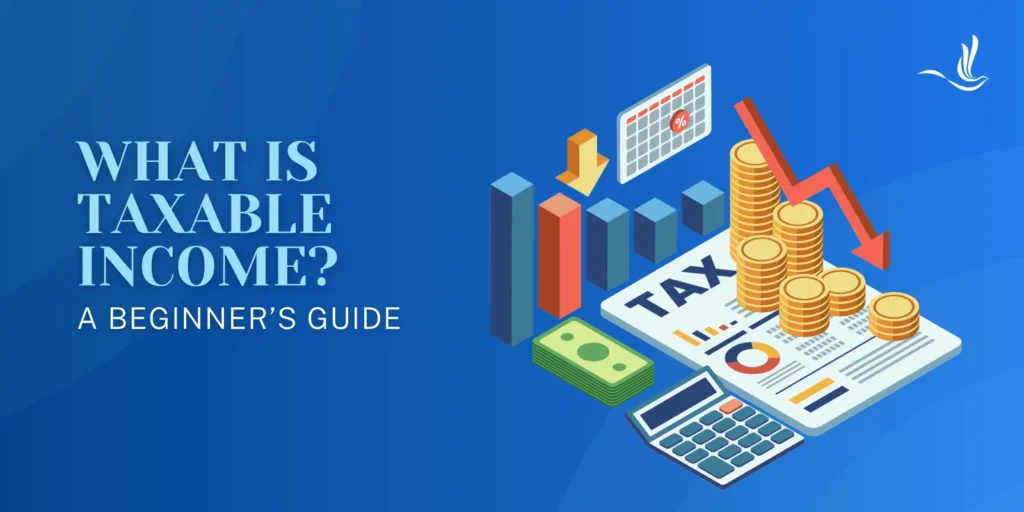
Taxable income is the portion of your total income that is subject to federal income tax after adjustments and deductions are applied, and it is the number the IRS uses to calculate your tax bill.
Not all income is treated the same—earned income (wages, self-employment), unearned income (investments, rental income), and other sources like gambling winnings or forgiven debt may all be taxable in different ways.
Some income is not taxable or only partially taxable, such as gifts, inheritances, Roth IRA withdrawals, and certain Social Security or scholarship amounts depending on your situation.
Taxable income is different from gross income and adjusted gross income (AGI), since deductions and adjustments reduce your total income before reaching the final taxable amount.
You can lower taxable income legally by contributing to retirement accounts, using HSAs, and claiming eligible deductions, while tax credits reduce the final tax owed rather than taxable income itself.
Calculating taxable income follows a structured process: total income is adjusted to AGI, then reduced by deductions to determine the amount actually taxed by the IRS.
Understanding taxes begins with understanding taxable income. Whether you earn money from a traditional job, freelance work, investments, retirement accounts, or side hustles, the IRS may consider some or all of that income taxable. Knowing what counts as taxable income can help you file an accurate return, avoid penalties, and potentially lower the amount you owe.
Many taxpayers assume every dollar they receive is taxed the same way, but that is not true. Some income is fully taxable, some is partially taxable, and some is not taxable at all. The distinction matters because taxable income is what determines your federal income tax liability.
This guide breaks down everything beginners need to know, including how taxable income is calculated, what types of income are taxable, and ways to reduce taxable income legally.
What Is Taxable Income?
Taxable income is one of the most important concepts in the U.S. tax system. Before you can understand tax brackets, deductions, or refunds, you need to understand what the IRS considers taxable.
Definition of Taxable Income
Taxable income is the portion of your income that is subject to federal income tax after adjustments and deductions are applied. In other words, it is the amount the IRS uses to calculate how much tax you owe.
Your taxable income is usually lower than your total earnings because the tax code allows taxpayers to subtract certain deductions and adjustments before taxes are calculated.
For example, if you earned $80,000 during the year. If you qualify for deductions totaling $18,000, your taxable income may only be $62,000. That lower figure is what the IRS uses to determine your tax bill.
Taxable income can come from many different sources, including employment, investments, self-employment, retirement accounts, and rental properties.
Why Taxable Income Matters
Understanding taxable income helps taxpayers make smarter financial decisions throughout the year, not just during tax season.
Your taxable income determines:
Your federal income tax bracket
How much tax you owe
Eligibility for certain credits and deductions
Potential refund amounts
Whether some benefits become taxable
For example, higher taxable income could reduce eligibility for certain tax credits or increase the taxable portion of Social Security benefits. On the other hand, lowering taxable income through deductions or retirement contributions may reduce your overall tax liability.
Because taxable income affects so many parts of a tax return, understanding it is essential for effective tax planning.
What Counts as Taxable Income?
The IRS taxes many different forms of income. Some types are obvious, such as wages from a job, while others are less commonly understood.
Earned Income
Earned income refers to money received from working or performing services. This is the most common type of taxable income for many Americans.
Earned income includes wages, salaries, tips, commissions, bonuses, and self-employment earnings. If you work a traditional job and receive a Form W-2, the income listed on that form is generally taxable.
Freelancers, contractors, and gig workers also earn taxable income. For example, someone driving for a rideshare company or selling services online must usually report that income even if taxes were not automatically withheld.
Earned income may also include:
Union strike benefits
Certain disability benefits received before retirement age
Income earned abroad in some situations
Even part-time or temporary work can create taxable income obligations.
Unearned Income
Unearned income is money received from sources other than active employment. Although it is called “unearned,” it is often still taxable.
Common examples of unearned income include interest earned from bank accounts, stock dividends, rental income, royalties, and capital gains from investments.
Retirement income may also fall into this category. Traditional IRA and 401(k) withdrawals are often taxable because contributions to those accounts were typically made with pre-tax dollars.
Unemployment compensation is another form of taxable income that sometimes surprises taxpayers. Many people do not realize unemployment benefits may need to be reported on a tax return.
Investment income may also receive different tax treatment than wages. For example, long-term capital gains are often taxed at lower rates than ordinary income.
Other Common Types of Taxable Income
Some taxable income sources are less well known but still reportable to the IRS.
For instance, gambling winnings are generally taxable. If you win money from casinos, sports betting, raffles, or lottery tickets, those winnings usually must be reported.
Canceled debt can also become taxable income in certain situations. If a lender forgives part of a debt, the forgiven amount may be treated as income unless an exception applies.
Additional examples of taxable income may include:
Jury duty pay
Prize money
Alimony received under divorce or separation agreements finalized on or before December 31, 2018 — the recipient must report this as taxable income. Alimony from agreements finalized after that date is generally not taxable to the recipient under current law.
Taxable portions of scholarships
Certain Social Security benefits
The IRS generally assumes income is taxable unless the law specifically excludes it.
What Income Is Not Taxable?
While many forms of income are taxable, some types are excluded from federal income taxes entirely or under certain conditions.
Common Examples of Nontaxable Income
Nontaxable income refers to money that does not need to be included in taxable income calculations. One common example is gifts. If a family member gives you money for a birthday or helps you financially, the recipient usually does not pay income taxes on the gift. Inheritances are also generally not considered taxable income for federal tax purposes, although some estates may be subject to separate estate taxes.
Other examples of nontaxable income may include:
Child support payments
Certain life insurance proceeds
Welfare benefits
Qualified Roth IRA withdrawals
Municipal bond interest
Certain workers’ compensation benefits
For example, if someone withdraws money tax-free from a qualified Roth IRA during retirement, those distributions may not increase taxable income.
Partially Taxable Income
Some forms of income are only partially taxable depending on a taxpayer’s total income and filing status. Social Security benefits are one of the most common examples. Some retirees pay no federal taxes on their Social Security benefits, while others may pay taxes on up to 85% of those benefits.
Scholarships and grants can also be partially taxable. Amounts used for qualified education expenses may be tax-free, while money used for housing or non-qualified expenses could be taxable.
Retirement account withdrawals may also have both taxable and nontaxable portions depending on how contributions were originally made.
How to Know If Income Is Taxable
Many taxpayers wonder how to determine whether a specific payment or benefit counts as taxable income.
In general, the IRS requires taxpayers to report all income unless there is a law excluding it from taxation.
Taxpayers can determine whether income is taxable by:
Reviewing IRS guidance
Checking tax documents like Forms W-2 or 1099
Reading instructions associated with tax forms
Consulting a tax professional
When unsure, researching the issue carefully is important because failing to report taxable income can lead to penalties or audits.
Taxable Income vs. Gross Income
Taxable income and gross income are related, but they are not the same thing. Many taxpayers confuse the two, especially when filing taxes for the first time.
What Is Gross Income?
Gross income is the total amount of income earned before deductions or adjustments are applied.
For example, imagine someone earns $65,000 from their full-time job, brings in an additional $4,000 from freelance projects, and earns $1,000 in investment income throughout the year. Before any deductions or adjustments are applied, their total gross income would be $70,000.
Gross income includes most taxable income sources before tax-saving adjustments are considered.
What Is Adjusted Gross Income (AGI)?
Adjusted Gross Income, commonly called AGI, is your gross income after certain adjustments are subtracted.
These adjustments may include traditional IRA contributions, student loan interest, HSA contributions, self-employed health insurance deductions, and educator expenses.
For example, if someone has a gross income of $70,000 and contributes $3,000 to a traditional IRA while also deducting $1,000 in student loan interest, their AGI would decrease to $66,000. This lower number is important because many tax credits and deductions are based on AGI thresholds.
For example, suppose a taxpayer has a gross income of $75,000 and qualifies for $5,000 in adjustments, lowering their AGI to $70,000. If they then claim the 2025 standard deduction of $15,750 (for single filers), their taxable income would be reduced to $54,250. Although they earned $75,000 during the year, the IRS would only use the $54,250 figure to calculate federal income taxes owed.
The process generally works like this: gross income is reduced by adjustments to determine AGI, and then deductions are subtracted to arrive at taxable income.
How to Calculate Taxable Income
Calculating taxable income may seem complicated at first, but the process becomes much easier when broken into steps.
Step 1: Add Up All Sources of Income
The first step is calculating gross income by adding all taxable earnings from every source. This may include wages from a job, freelance income, investment earnings, rental income, retirement distributions, or business income.
For example, someone who earns $72,000 from their full-time job and an additional $8,000 from freelance work would start with a gross income of $80,000 before any deductions or adjustments are applied.
Step 2: Subtract Adjustments to Income
Next, taxpayers subtract eligible adjustments to determine their Adjusted Gross Income (AGI). Common adjustments can include retirement contributions, HSA contributions, self-employed deductions, and student loan interest deductions.
For instance, if the taxpayer with $80,000 in gross income contributed $3,000 to a traditional IRA and another $2,000 to a Health Savings Account, their AGI would be reduced to $75,000. These adjustments help lower the amount of income subject to taxation.
Step 3: Determine Your AGI
AGI plays an important role in the tax system because many deductions and tax credits are based on this number. A lower AGI can sometimes increase eligibility for valuable tax breaks while also reducing overall tax liability.
For example, certain education credits, retirement contribution deductions, and healthcare-related benefits may phase out at higher income levels. Lowering AGI can help taxpayers qualify for these savings opportunities.
Step 4: Claim Standard or Itemized Deductions
After calculating AGI, taxpayers subtract deductions to arrive at taxable income. Most people claim the standard deduction because it is simpler and often provides larger savings.
However, some taxpayers may benefit more from itemizing deductions if they have significant qualifying expenses. These expenses can include mortgage interest, charitable donations, large medical expenses, and state or local taxes.
For example, if someone has an AGI of $75,000 and claims the 2025 standard deduction of $15,750 (for single filers), their taxable income would drop to $59,250 before tax rates are applied.
Step 5: Calculate Taxable Income
Once deductions are subtracted from AGI, the remaining amount becomes taxable income. This is the figure the IRS uses to determine how much federal income tax a person owes.
For example, if a taxpayer starts with $80,000 in gross income, reduces it to $75,000 through adjustments, and then subtracts the 2025 standard deduction of $15,750 (for single filers), their final taxable income would be $59,250. Even though they earned $80,000 during the year, they would only pay federal income taxes on the lower taxable income amount.
How to Reduce Taxable Income Legally
Reducing taxable income legally can help taxpayers keep more of their earnings while staying compliant with IRS rules.
Contribute to Tax-Advantaged Accounts
One of the most effective ways to reduce taxable income is contributing to tax-advantaged accounts.
Traditional 401(k) contributions are typically made with pre-tax dollars, which can reduce taxable wages for the year. Traditional IRA contributions may also lower taxable income if eligibility requirements are met. Health Savings Accounts provide another valuable tax advantage because qualifying contributions are generally deductible.
For example, if someone earning $85,000 contributes $7,000 to a traditional IRA, their taxable income may decrease to $78,000 before other deductions are applied. (Note: 401(k) contribution limits are higher — up to $23,500 for 2025 — so the tax savings from maxing out a 401(k) can be even more significant). These accounts not only reduce current taxable income but may also help taxpayers build long-term savings.
Claim Eligible Tax Deductions
Tax deductions directly reduce taxable income, which can lower the amount of taxes owed.
Many taxpayers qualify for deductions related to student loan interest, self-employed business expenses, charitable contributions, educator expenses, or self-employed health insurance premiums. The key is understanding which deductions apply to your situation and maintaining accurate records throughout the year.
For instance, a self-employed graphic designer who spends money on software subscriptions, office supplies, and internet service for business purposes may be able to deduct those expenses, reducing overall taxable income.
Use Tax Credits Strategically
Although tax credits do not reduce taxable income directly, they reduce total taxes owed and can create substantial savings.
Credits such as the Child Tax Credit, Earned Income Tax Credit, American Opportunity Tax Credit, and Saver’s Credit may help lower a taxpayer’s final tax bill significantly. In some cases, refundable credits can even increase a refund.
For example, a qualifying college student claiming the American Opportunity Tax Credit may reduce their tax liability by thousands of dollars, depending on their education expenses and income level.
Consider Filing Status Carefully
Filing status affects tax brackets, deductions, and eligibility for certain credits.
For example, someone qualifying for Head of Household status may receive a larger standard deduction and more favorable tax brackets compared to filing as Single. Married couples may also benefit differently depending on whether they file jointly or separately.
Choosing the correct filing status can reduce taxes, improve eligibility for credits, and help ensure an accurate tax return.
How Optima Tax Relief Can Help
Understanding taxable income and how it impacts your overall tax liability can be complicated, especially if you have multiple income sources or are unsure whether everything has been reported correctly. Many taxpayers only realize there is an issue after receiving an IRS notice or unexpected tax bill, which can make the situation more stressful and difficult to navigate alone.
Optima Tax Relief helps individuals facing tax challenges by providing support in understanding IRS issues, reviewing tax situations, and exploring resolution options when tax burden is involved. Our team works with clients to address IRS concerns, set up payment arrangements when appropriate, and guide taxpayers toward a clearer path forward.
Frequently Asked Questions about Taxable Income
Is Social Security Income Taxable?
Social Security income can be taxable depending on your total combined income and filing status. Some taxpayers pay taxes on up to 85% of their Social Security benefits, while others may not owe taxes on those benefits at all.
Is Disability Income Taxable?
Disability income may or may not be taxable depending on how the premiums were paid. If an employer paid the insurance premiums or the payments were made with pre-tax dollars, the disability benefits are generally taxable. Benefits from policies paid with after-tax dollars are often tax-free.
Is Pension Income Taxable?
Pension income is usually taxable at the federal level. Most traditional pension payments are taxed as ordinary income because the contributions were often made with pre-tax dollars during employment.
Is Retirement Income Taxable?
Retirement income can be fully taxable, partially taxable, or tax-free depending on the source. Traditional IRA and 401(k) withdrawals are generally taxable, while qualified Roth IRA withdrawals are typically tax-free.
Tax Help for People Who Owe
Understanding taxable income is an important step toward managing your finances responsibly and filing taxes correctly. Taxable income includes many types of earnings, but deductions, adjustments, and exemptions can significantly reduce the amount subject to taxes. Whether you are filing taxes for the first time or improving your financial literacy, understanding taxable income provides a strong foundation for smarter tax planning and long-term financial health. Optima Tax Relief is the nation’s leading tax resolution firm with over a decade of experience helping taxpayers.
Company Receives National Recognition for Inclusive Culture and Employee Support Initiatives
Optima Tax Relief, the nation’s leading tax resolution firm, is proud to announce that it has been recognized by Newsweek in two prestigious 2026 workplace rankings. The company earned a 5-star rating on Newsweek’s America’s Greatest Midsize Workplaces for Culture, Belonging and Community 2026 list and a 4.5-star rating on Newsweek’s America’s Greatest Midsize Workplaces for Women 2026 list.
The recognition highlights Optima’s continued commitment to fostering an inclusive, people-first workplace culture where employees are empowered to grow professionally, contribute meaningfully, and feel supported both inside and outside the workplace.
“These recognitions reflect the culture our team has worked hard to build together over the past 15 years,” said David King, CEO of Optima Tax Relief. “Women have played a critical role in Optima’s growth and success from the very beginning, helping shape our leadership, culture, and long-term vision. Today, nearly half of our leaders are women, which reflects our continued commitment to creating opportunities for growth, leadership, and advancement. We are proud to foster an environment where talented professionals can build meaningful and lasting careers.”
The Newsweek’s America’s Greatest Midsize Workplaces for Culture, Belonging and Community 2026 ranking evaluated more than 4,700 midsize companies across the United States with between 500 and 1,000 employees. The study incorporated analysis of more than 2.6 million online employee reviews, publicly available company data, and more than 120 workplace-related key performance indicators. Companies were evaluated across categories including culture and belonging, leadership, compensation and benefits, work-life balance, career development, and workplace environment.
According to Newsweek and research partner Plant-A Insights Group, the rankings specifically recognized organizations that demonstrate strong performance in areas tied to workplace inclusion, fairness, equal growth opportunities, employee trust, and support for diverse demographic groups.
Optima Tax Relief has continued to invest heavily in employee development, workplace engagement, and community involvement. Through volunteer initiatives, charitable partnerships, employee recognition programs, and ongoing professional development opportunities, the company strives to create a workplace culture that values both personal and professional growth.
The company’s recognition on the Newsweek’s America’s Greatest Midsize Workplaces for Women 2026 list further reflects its commitment to supporting women in the workplace through leadership opportunities, career advancement, mentorship, and a collaborative work environment.
About Optima Tax Relief:
Optima Tax Relief is the nation’s leading tax resolution firm assisting individuals and businesses struggling with unmanageable IRS and state tax debts. Optima’s commitment to delivering unparalleled service and results has earned the company numerous honors, including the International Torch Award for Ethics from the Better Business Bureau and Civic 50 recognitions for corporate responsibility and community involvement. Optima has helped tens of thousands of taxpayers yearly achieve financial relief and peace of mind.
The best tax attorney can help taxpayers resolve serious IRS issues such as audits, tax debt, wage garnishments, bank levies, payroll tax disputes, and potential tax fraud investigations.
Tax attorneys differ from CPAs and enrolled agents because they provide legal representation, can represent clients in court, and offer stronger attorney-client privilege protections in sensitive tax matters.
Taxpayers with unfiled tax returns, large tax liabilities, business tax problems, or international reporting obligations often benefit from experienced legal guidance before IRS penalties and collections escalate.
When choosing the best tax attorney, taxpayers should evaluate experience with similar cases, IRS negotiation experience, licensing, professional reputation, communication style, and fee transparency.
Reputable tax attorneys do not guarantee specific IRS outcomes. Instead, they provide realistic expectations, explain available resolution options, and develop strategies based on each taxpayer’s financial situation.
Hiring the best tax attorney early in the process may help reduce penalties, stop aggressive IRS collection actions, protect taxpayer rights, and improve the chances of reaching a favorable resolution.
Tax problems can quickly become overwhelming, especially when the IRS begins sending notices, assessing penalties, or threatening collection actions. While some tax issues can be handled with the help of a CPA or enrolled agent, more serious matters often require legal representation. Choosing the best tax attorney for your situation can make a major difference in how effectively your case is resolved and how much financial damage can ultimately be avoided.
A qualified tax attorney can help taxpayers navigate complex federal and state tax laws, communicate directly with the IRS, negotiate settlements, and provide legal protection during audits or investigations. However, not every attorney has the same experience, qualifications, or approach to handling tax controversies. Some focus primarily on tax planning for corporations and high-net-worth individuals, while others specialize in IRS collections, payroll tax disputes, or tax litigation.
Understanding what to look for in a tax attorney can help you avoid costly mistakes and improve your chances of achieving a favorable outcome. Whether you are facing years of unfiled returns, mounting tax burden, a business tax dispute, or concerns about potential tax fraud allegations, knowing how to evaluate your options is essential.
This guide explains what tax attorneys do, when you may need one, how to compare professionals, and what qualities separate the best tax attorney from the rest.
What Does a Tax Attorney Do?
Tax attorneys provide legal guidance and representation for individuals and businesses dealing with complex tax matters. Unlike standard tax preparers, tax attorneys are licensed legal professionals who can advise clients on both tax law and legal strategy. Their work often involves helping taxpayers resolve disputes with the IRS, minimize financial exposure, and protect their legal rights throughout the process.
Understanding the Role of a Tax Attorney
A tax attorney’s responsibilities extend far beyond preparing tax returns. While some tax attorneys assist with proactive tax planning, many focus on resolving disputes between taxpayers and taxing authorities. Their role may include negotiating directly with the IRS, representing clients during audits, preparing legal responses to IRS notices, and handling tax litigation in court when necessary.
For example, if a taxpayer receives notice that the IRS intends to levy their wages or freeze their bank account due to unpaid taxes, a tax attorney may negotiate an installment agreement or determine whether the taxpayer qualifies for an Offer in Compromise. In more severe situations involving allegations of fraud or tax evasion, a tax attorney can help protect the taxpayer’s rights while developing a legal defense strategy.
Tax attorneys may also assist businesses facing payroll tax issues, trust fund recovery penalties, or disputes involving employee classification. Business tax controversies often involve large sums of money and legal complexity, making experienced representation especially important.
One major advantage of hiring a tax attorney is the protection of attorney-client privilege. While federally authorized tax practitioners such as CPAs and enrolled agents do have a limited confidentiality privilege under IRC Section 7525 for noncriminal federal tax matters, that protection is significantly narrower. Most importantly, it does not apply in criminal tax proceedings — meaning that in cases involving potential fraud or tax evasion, only communications with an attorney carry full legal privilege.
Tax Attorney vs CPA vs Enrolled Agent
One of the most common questions taxpayers ask is whether they need a tax attorney, CPA, or enrolled agent. While these professionals may all work with tax-related matters, their education, authority, and services differ significantly.
Certified Public Accountants (CPAs) primarily focus on accounting, financial reporting, bookkeeping, and tax preparation. Many CPAs also provide tax planning and can represent taxpayers before the IRS in audits and appeals. Enrolled agents (EAs) are federally authorized tax practitioners who specialize exclusively in taxation and hold unlimited practice rights before the IRS — meaning they can represent any taxpayer, on any tax matter, before any IRS office.
A tax attorney, however, is uniquely qualified to handle legal tax disputes and represent clients in court. Attorneys can also provide legal opinions, advise on potential criminal exposure, and navigate complicated tax litigation matters.
For instance, if a taxpayer simply needs help preparing a return or responding to a straightforward IRS notice, a CPA or enrolled agent may be sufficient. However, if the taxpayer is facing accusations of fraud, substantial tax debt, or potential legal action, hiring the best tax attorney is often the safer and more strategic choice.
Signs You May Need the Best Tax Attorney
Not every taxpayer requires legal representation, but certain situations create significant financial and legal risks that make hiring a tax attorney highly advisable. Knowing when to seek professional legal help can prevent minor tax problems from escalating into much larger issues.
Serious IRS Issues Often Require Legal Representation
One of the clearest signs you may need the best tax attorney is receiving repeated notices from the IRS regarding unpaid taxes, audits, or collections. While some taxpayers ignore these notices out of fear or confusion, delaying action can worsen the situation considerably. Interest and penalties continue to grow over time, and the IRS has broad authority to pursue collection actions.
Taxpayers facing wage garnishments, bank levies, or federal tax liens often benefit from experienced legal representation. A tax attorney can evaluate available resolution options and communicate directly with the IRS to help stop aggressive collection efforts.
Unfiled tax returns are another major warning sign. Many taxpayers avoid filing because they fear they owe money they cannot afford to pay. Unfortunately, failing to file returns can trigger substitute returns prepared by the IRS, which often result in significantly higher tax liabilities because deductions and credits are not included properly. A tax attorney can help taxpayers become compliant while minimizing additional exposure.
Business owners may also need legal representation when dealing with payroll tax issues. The IRS aggressively pursues unpaid payroll taxes because these taxes involve funds withheld from employee wages. In some cases, business owners or responsible parties can be held personally liable through the Trust Fund Recovery Penalty. Because these cases can affect both business and personal finances, working with the best tax attorney becomes especially important.
Criminal Tax Investigations and Fraud Concerns
One of the most serious situations requiring immediate legal representation involves potential criminal tax exposure. If the IRS suspects intentional tax evasion, fraudulent deductions, or willful failure to report income, the matter may escalate beyond a civil audit into a criminal investigation.
Warning signs may include:
IRS agents requesting extensive documentation
Sudden contact from IRS Criminal Investigation (IRS-CI) special agents
Questions involving offshore accounts or hidden income
Allegations of falsified deductions or returns
In these situations, taxpayers should avoid attempting to explain matters to the IRS without legal counsel present. Statements made during investigations can potentially be used against the taxpayer later. The best tax attorney can help manage communications strategically while protecting the taxpayer’s legal rights.
Complex Financial Situations
Tax attorneys are also valuable for taxpayers dealing with highly complex financial matters. Individuals with foreign bank accounts, international business interests, cryptocurrency transactions, trusts, or estate tax concerns may face complicated reporting obligations and heightened IRS scrutiny.
For example, taxpayers with overseas accounts may need assistance complying with Foreign Bank Account Report (FBAR) requirements or the Foreign Account Tax Compliance Act (FATCA). Failure to comply with international reporting requirements can result in severe penalties, even when the taxpayer did not intentionally violate the law.
How to Identify the Best Tax Attorney for Your Situation
Finding the best tax attorney involves more than searching online or choosing the firm with the most advertisements. Because tax law contains many specialized areas, it is important to evaluate attorneys based on experience, communication, reputation, and their ability to handle cases similar to yours.
Experience and Area of Specialization Matter
One of the first things taxpayers should evaluate is whether the attorney regularly handles the type of tax issue they are facing. Tax law is highly specialized, and an attorney who focuses on corporate mergers may not be the best fit for someone dealing with IRS collections or payroll tax penalties.
For example, a taxpayer facing an IRS audit involving cryptocurrency transactions may want an attorney experienced in digital asset taxation. Likewise, a business owner dealing with payroll tax liabilities should look for someone familiar with employment tax controversies and trust fund recovery cases.
Experience negotiating directly with the IRS is also critical. The best tax attorney understands IRS procedures, internal deadlines, appeals processes, and collection alternatives. This experience can improve the efficiency of negotiations and help avoid procedural mistakes that may hurt the taxpayer’s case.
Credentials, Licensing, and Professional Reputation
Taxpayers should also verify that the attorney is properly licensed and in good standing with their state bar association. Many reputable tax attorneys also hold advanced legal degrees such as a Master of Laws (LL.M.) in Taxation, which indicates additional specialized education in tax law.
Professional involvement can also provide insight into an attorney’s credibility. Membership in organizations focused on tax law or speaking engagements related to IRS representation may reflect deeper expertise in the field.
Client reviews and testimonials can also help paint a clearer picture of the attorney’s professionalism and communication style. While online reviews should not be the sole deciding factor, consistent patterns involving poor communication, billing disputes, or unrealistic promises may indicate potential problems.
Taxpayers should be especially cautious of firms guaranteeing specific outcomes. No ethical attorney can promise that the IRS will accept a settlement or eliminate tax liability entirely. The best tax attorney will provide realistic expectations rather than making exaggerated claims designed to secure a client quickly.
Communication and Transparency
Strong communication is another critical factor when choosing legal representation. Tax matters are stressful enough without struggling to reach your attorney or understand what is happening with your case.
A good tax attorney should explain legal concepts clearly, provide regular updates, and answer questions honestly. During consultations, pay attention to whether the attorney listens carefully, explains strategies thoroughly, and discusses both risks and opportunities openly.
Transparency regarding fees is equally important. Tax resolution costs can vary widely depending on the complexity of the matter, and taxpayers should fully understand billing structures before signing agreements.
Questions to Ask Before Hiring a Tax Attorney
Consultations provide an opportunity to evaluate whether a particular attorney is the right fit for your needs. Asking thoughtful questions can help you compare professionals more effectively and avoid costly surprises later.
Important Questions That Can Help You Make the Right Choice
One of the most important questions involves the attorney’s direct experience with similar cases. Taxpayers should ask how frequently the attorney handles comparable matters and whether they have experience negotiating with the IRS.
It is also important to ask who will actually manage the case. Some large tax resolution firms rely heavily on administrative staff or junior employees, leaving clients with limited direct access to attorneys. Understanding who will handle communications and strategy development can help set proper expectations.
Taxpayers should also discuss possible outcomes realistically. While no attorney can guarantee results, experienced professionals should be able to explain likely scenarios, available resolution options, and the factors that may affect the outcome of the case.
Fee discussions are equally important. Some attorneys charge hourly rates, while others use flat-fee arrangements for specific services. Complex cases may require retainers to cover ongoing work overtime. Understanding the fee structure upfront helps prevent misunderstandings later in the process.
Finally, taxpayers should ask about timelines. IRS cases can take months or even years depending on complexity and agency response times. A trustworthy attorney should explain the process honestly without making unrealistic promises about rapid resolutions.
Understanding Tax Attorney Fees and Value
Many taxpayers hesitate to hire legal representation because they worry about cost. While tax attorney fees can be substantial in complex cases, experienced representation may ultimately save taxpayers significant money and stress in the long run.
What Affects the Cost of Hiring the Best Tax Attorney?
Several factors influence legal fees, including the complexity of the tax issue, the amount of documentation involved, the number of years at issue, and whether litigation becomes necessary.
For example, resolving a simple installment agreement generally costs far less than defending against allegations of tax fraud or handling a lengthy business tax audit.
Tax attorneys may charge:
Hourly rates
Flat fees
Monthly retainers
Hybrid billing arrangements
Taxpayers should carefully review engagement agreements and understand what services are included before moving forward.
Why Experience Often Outweighs Lower Pricing
While it may be tempting to choose the least expensive option, cheaper representation is not always better. Inexperienced or poorly managed representation can result in missed deadlines, incomplete filings, or failed negotiations that worsen the taxpayer’s situation.
The best tax attorney may help:
Reduce penalties
Prevent levies and garnishments
Negotiate manageable payment arrangements
Resolve disputes more efficiently
Protect the taxpayer from additional legal exposure
In many cases, experienced representation provides value far beyond the initial legal fees.
How Optima Tax Relief Can Help
Tax problems rarely improve on their own. Ignoring IRS notices or delaying action often leads to increasing penalties, mounting interest, and more aggressive collection efforts. Working with experienced tax professionals can help taxpayers understand their options and develop a strategy tailored to their financial situation.
Optima Tax Relief assists individuals and businesses facing a wide range of tax challenges, including IRS audits, tax burden, wage garnishments, bank levies, penalty abatements, and payment negotiations. Experienced professionals can review a taxpayer’s case, communicate with the IRS on their behalf, and identify available resolution programs based on eligibility.
For taxpayers trying to determine whether they need the best tax attorney or another form of tax representation, obtaining a professional evaluation can provide clarity and direction before the situation becomes more severe.
Frequently Asked Questions
How much does the best tax attorney cost?
The cost of hiring a tax attorney varies based on the complexity of the case, the amount of work involved, and the attorney’s experience level. Some attorneys charge hourly rates, while others offer flat-fee pricing for specific tax resolution services.
Can a tax attorney help with unfiled tax returns?
Yes, tax attorneys frequently help taxpayers become compliant after years of unfiled returns. They can assist with developing a filing strategy, minimizing penalties, and resolving related IRS collection issues.
Is hiring the best tax attorney worth it?
For taxpayers facing serious IRS problems, experienced legal representation can help reduce stress, protect taxpayer rights, and potentially improve the outcome of the case. The right attorney may also help avoid costly mistakes that could worsen the situation.
Tax Help for People Who Owe
Choosing the best tax attorney for your situation is one of the most important decisions you can make when facing serious tax issues. Whether you are dealing with unpaid taxes, an IRS audit, unfiled returns, business tax disputes, or potential criminal exposure, experienced legal representation can help protect your finances and your rights.
The best tax attorney is not simply the one with the largest advertising budget or lowest price. Instead, taxpayers should focus on finding someone with relevant experience, strong communication skills, transparent billing practices, and a proven understanding of IRS procedures.
Taking the time to research your options, ask detailed questions, and seek professional guidance early can significantly improve your chances of reaching a favorable resolution. When tax problems become overwhelming, having knowledgeable representation on your side can provide both practical solutions and much-needed peace of mind. Optima Tax Relief is the nation’s leading tax resolution firm with over $3 billion in resolved tax liabilities.